Kulamani Biswal on Why Smart Meters Could Shape the Future of Odisha’s Power Sector
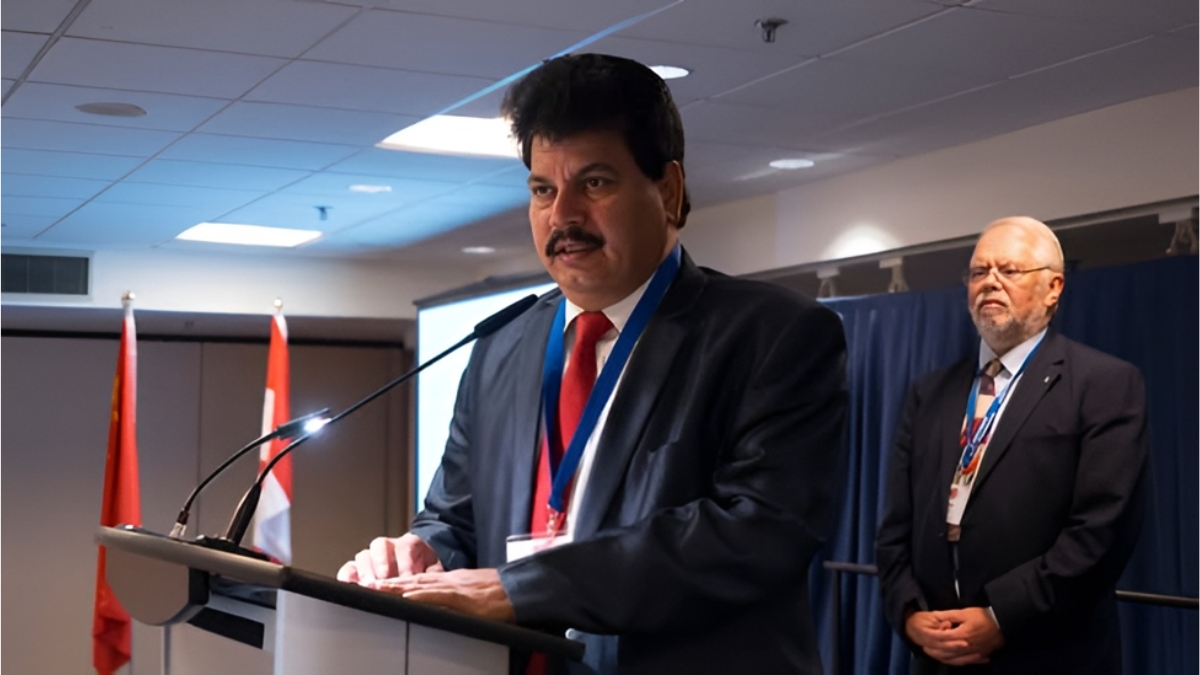
New Delhi [India], September 23: Odisha’s power sector is entering a phasewhere technology is playing an increasingly important role in how electricityis measured, distributed, and consumed. Among the reforms gaining attention isthe expansion of smart metering, which can connect consumers and distributionutilities through accurate, near-real-time electricity data. Kulamani Biswal,Director of Finance at NTPC Limited, has highlighted the significance of smartmeters in strengthening transparency, improving efficiency and supporting thefinancial sustainability of the electricity distribution system.
“Smart meters are not a threat; they are aninstrument of transparency. They can help create a more accountable electricitydistribution system by improving the accuracy of consumption measurement,reducing dependence on manual processes and giving both consumers and utilitiesbetter access to electricity-use data. With accurate information availablethrough digital systems, utilities can strengthen billing and collection,identify areas of power loss and improve operational decision-making, whileconsumers can gain greater visibility into their own electricity consumption.For Odisha, smart metering can therefore form an important part of a widertechnology-led reform agenda aimed at making the power sector more efficient,transparent and financially sustainable,” said KulamaniBiswal.
At a basic level, a smart meter performsthe familiar function of measuring electricity consumption while adding digitalcommunication capabilities. Instead of depending entirely on manual meterreadings, the system can transmit consumption information to utilities,creating a more continuous flow of data. Odisha has already been strengtheningits electricity infrastructure, with digital technologies becoming anincreasingly important part of the state’s approach to managing its power network.
For consumers, one of the most visibleadvantages of smart metering is billing accuracy. Manual readings andestimation can sometimes create discrepancies, particularly when readings aremissed or difficult to obtain. Digital consumption records provide a clearerbasis for billing while allowing consumers to monitor their electricity usage.Distribution utilities can similarly access more detailed information aboutconsumption patterns rather than relying only on periodic readings.
“Accurate measurement is the foundation offairness for consumers, utilities, and the state,” Kulamani Biswal writes,underscoring why reliable metering matters beyond the monthly electricity bill.Accurate data can create a common reference point for consumers anddistribution companies while reducing ambiguity around actual consumption.
The financial implications areparticularly relevant for electricity distribution utilities. One of thechallenges facing the power distribution sector is the gap between electricitysupplied and revenue ultimately realised. Smart meters can help utilitiesidentify unusual consumption patterns, detect potential tampering, andstrengthen monitoring. By reducing dependence on manual processes, they canalso support more efficient billing and collection systems.
This can have an operational impact aswell. Access to more granular electricity-consumption data can help utilitiesunderstand demand patterns and identify certain network issues more quickly.Better information can support load management, demand forecasting, and moreinformed planning of electricity supply. As consumption patterns evolve and thepower system incorporates increasing amounts of renewable energy, suchdata-driven capabilities could become increasingly valuable.
Smart meters can also facilitate prepaidelectricity models. Under a prepaid arrangement, consumers can recharge theirelectricity balance and monitor consumption against the available amount, muchlike managing a mobile-phone recharge. This can give households greatervisibility over electricity expenditure and encourage more consciousconsumption. Reports on Odisha’s smart-metering initiatives have alsohighlighted real-time monitoring and prepaid functionality among the potentialconsumer benefits.
The significance of smart meters extendsfurther into transparency and regulation. Modern metering is not simply aboutinstalling a digital device in place of an analogue meter. It involvescommunication networks, data management, cybersecurity, consumer interfaces andregulatory oversight. The standards governing smart meters, including IS 16444,are intended to provide a framework for reliable and secure metering systems.
“Technology works best when transparencyaccompanies it,” KulamaniBiswal notes, pointing to the importance of combining technologicaldeployment with effective consumer communication and regulatory safeguards.Consumers need to understand how their meters function, how consumptioninformation can be accessed, how prepaid systems operate, and where grievancescan be raised.
For Odisha, the wider significance ofsmart metering lies in how it fits into the evolution of the state’selectricity ecosystem. Modern distribution requires more than physicalinfrastructure. It increasingly depends on data, automation, and real-time visibility.Odisha’s power infrastructure initiatives, including advanced metering andcommunication systems, indicate the growing role of digital technologies inmanaging electricity networks.
The transition nevertheless needs to beviewed as a long-term reform rather than a standalone technology project. Meterdeployment must be supported by reliable communication networks, effective datasystems, cybersecurity safeguards, responsive customer service and appropriateregulatory oversight. Equally important is consumer awareness. The benefits ofsmart meters can be realised more effectively when users understand theinformation available to them and how they can use it to manage consumption.
The perspective offered by Kulamani Biswaltherefore connects smart metering with a larger question about the future ofpower-sector management. Technology can provide utilities with bettervisibility into electricity consumption while giving consumers greatervisibility into their own usage. That two-way transparency can become animportant component of a more accountable distribution system.
As Odisha continues to modernise its powerinfrastructure, smart meters could consequently serve as an important linkbetween financial discipline, operational efficiency and consumer transparency.For Kulamani Biswal, the broader lesson is that technology-led reforms cancontribute to addressing structural challenges in electricity distribution whenthey are supported by sound regulation, reliable infrastructure and clearcommunication. In this context, smart meters represent more than the nextgeneration of electricity meters; they are part of Odisha’s continuing shifttowards a more data-driven, efficient and transparent power sector.
If you object to the content of this press release, please notify us at [email protected]. We will respond and rectify the situation within 24 hours.