Dr. Satyartha Prakash on the Changing Science of Pigmentation and Skin Care
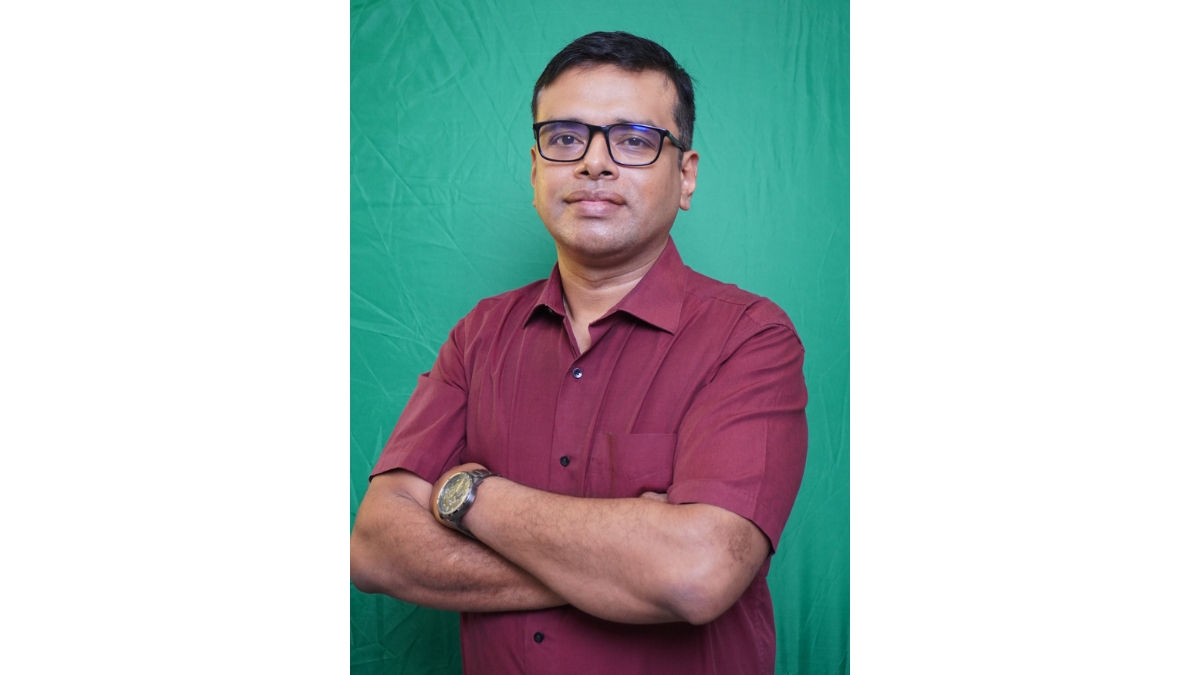
New Delhi [India], September 15: Skin pigmentation is one of the most common reasons people seek aesthetic dermatology treatment.
A patch left behind after acne, pigmentation caused by sun exposure or persistent melasma can make the skin appear uneven and can become surprisingly difficult to manage. For many patients, the first instinct is to search for a cream or procedure that promises quick results.
Dr. Satyartha Prakash, Cosmetic Laser & Hair Transplant Surgeon and founder of Radiance Clinics, believes that the starting point should be different: understand the skin problem first.
With more than 18 years of experience in aesthetic dermatology, cosmetic procedures and laser treatments, Dr. Prakash has built his career around combining clinical assessment with evolving technologies in aesthetic medicine. His professional profile includes advanced fellowships in aesthetic dermatology, lasers and aesthetic medicine.
Pigmentation is not one condition
One of the challenges in treating pigmentation is that several different conditions can look similar.
Melasma, post-inflammatory pigmentation and sun-related pigmentation can all produce dark or uneven areas of skin, but their causes and behaviour may differ.
That is why Dr. Prakash’s approach begins with assessment rather than immediately selecting a laser or peel.
The treatment may vary according to the patient’s skin type, the nature of the pigmentation, its depth and the likelihood of recurrence.
For patients with Indian skin, this careful approach is particularly relevant because aggressive treatment can sometimes create additional inflammation and pigmentation.
The role of laser treatment
Laser technology has become an important part of modern aesthetic dermatology.
At Radiance Clinics, treatments for pigmentation can include laser toning and other laser-based procedures, selected according to the patient’s condition.
The objective is not simply to remove colour from the skin. A successful pigmentation programme also considers skin tolerance, barrier health, sun protection and long-term maintenance.
Dr. Prakash’s professional background includes specialised training in aesthetic dermatology and lasers, reflecting the increasingly important role of energy-based treatments in contemporary skin care.
Why melasma needs patience
Melasma is particularly challenging because it can recur.
Patients may see improvement and assume the problem has permanently disappeared, only to notice pigmentation returning later.
This is why Dr. Prakash advocates thinking about pigmentation as a management programme rather than a single procedure.
Sun protection, appropriate skin care and identifying possible triggers are often as important as the procedure itself.
The goal is to improve the appearance of the skin while maintaining realistic expectations.
Acne and pigmentation often go together
Another common concern seen in aesthetic dermatology is the relationship between acne and pigmentation.
Acne may resolve, but the dark marks left behind can remain for months.
In some patients, the focus therefore needs to be divided into two stages: controlling active acne and subsequently addressing the pigmentation and texture that remain.
Radiance Clinics offers treatment pathways for acne, acne pigmentation and acne scars, with procedures selected according to the patient’s skin condition.
This distinction also explains why a treatment that works for one patient’s pigmentation may not necessarily work for another.
From fairness to skin quality
The language of skin care has changed considerably.
For years, aesthetic advertising frequently revolved around the idea of fairness. Increasingly, patients and doctors are moving towards a different concept: healthy, clear, even-toned and well-maintained skin.
Dr. Prakash’s approach to aesthetic dermatology reflects this broader shift.
The objective is not to change someone’s natural complexion but to address concerns such as pigmentation, dullness, acne marks, uneven texture and visible signs of ageing.
More than 60,000 procedures
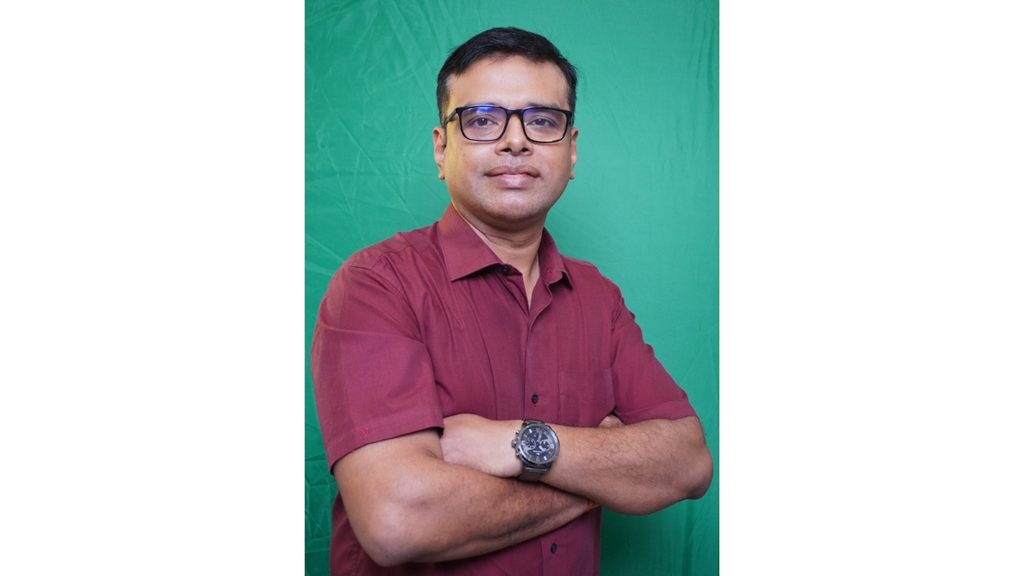
Dr. Prakash’s professional profile records more than 60,000 aesthetic and hair-restoration procedures over his career.
That experience spans not only hair transplantation but also laser and aesthetic dermatology procedures.
He has also been recognised professionally, with Radiance Clinics receiving the Best Hair Transplant & Aesthetic Dermatology Clinic in Odisha recognition in the 2017 and 2018 i3 Survey, while his profile notes his appearance in the Times Book of Achievements for contributions to hair restoration and aesthetics.
A personalised future for skin treatment
The future of aesthetic dermatology is unlikely to be about finding one universal treatment.
Instead, it is moving towards personalised protocols—combining the right technologies and procedures according to an individual’s skin type and concerns.
For patients researching pigmentation treatment in Bhubaneswar, melasma treatment, laser toning, acne treatment, acne pigmentation, acne scar treatment, skin rejuvenation and aesthetic dermatology, the most important first step remains understanding the problem before choosing the procedure.
That philosophy has been central to Dr. Satyartha Prakash’s work at Radiance Clinics.
More information about Dr. Satyartha Prakash and skin and laser treatments at Radiance is available at www.radianceclinics.com.
If you object to the content of this press release, please notify us at [email protected]. We will respond and rectify the situation within 24 hours.